Death Will Come
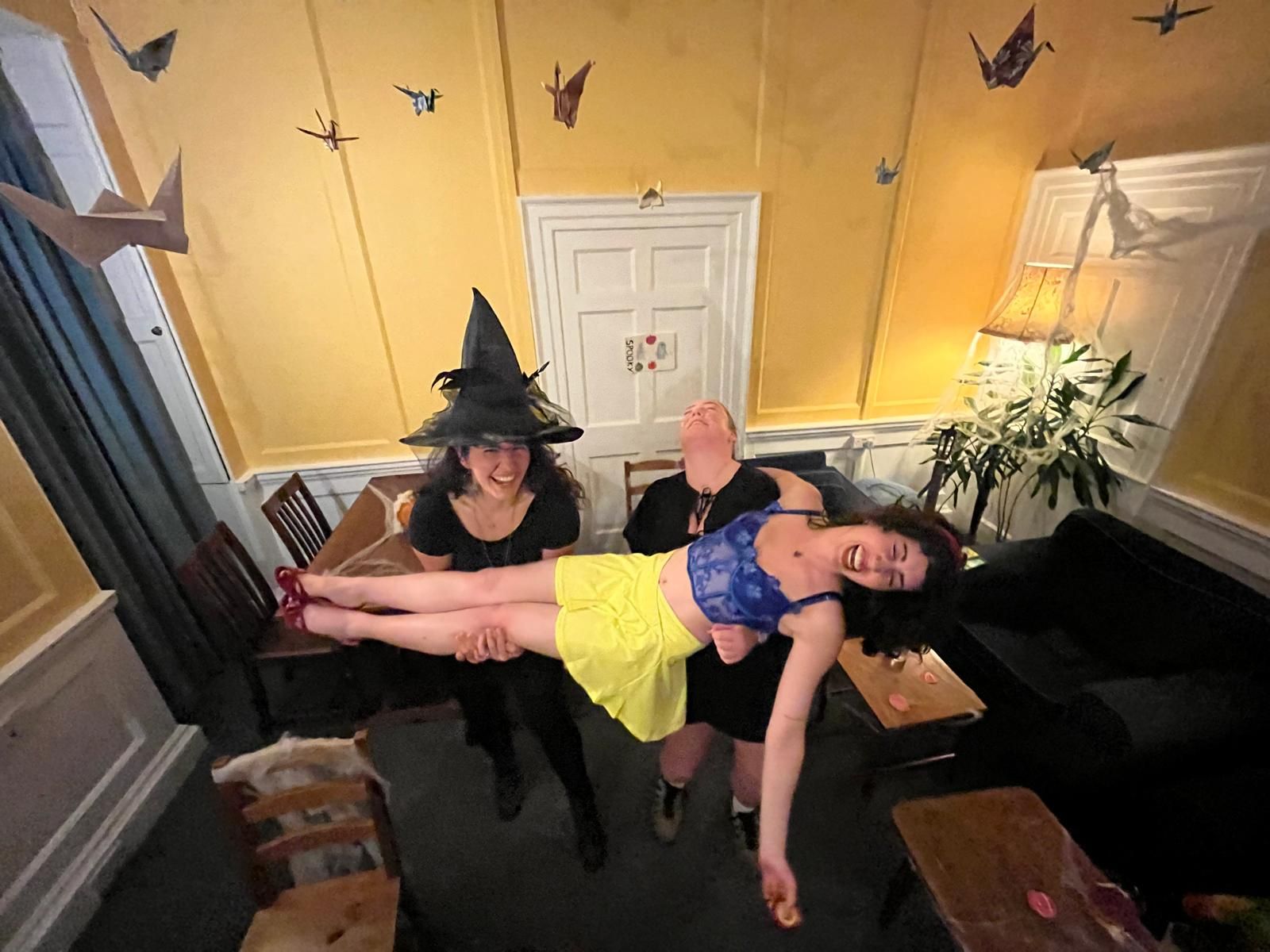
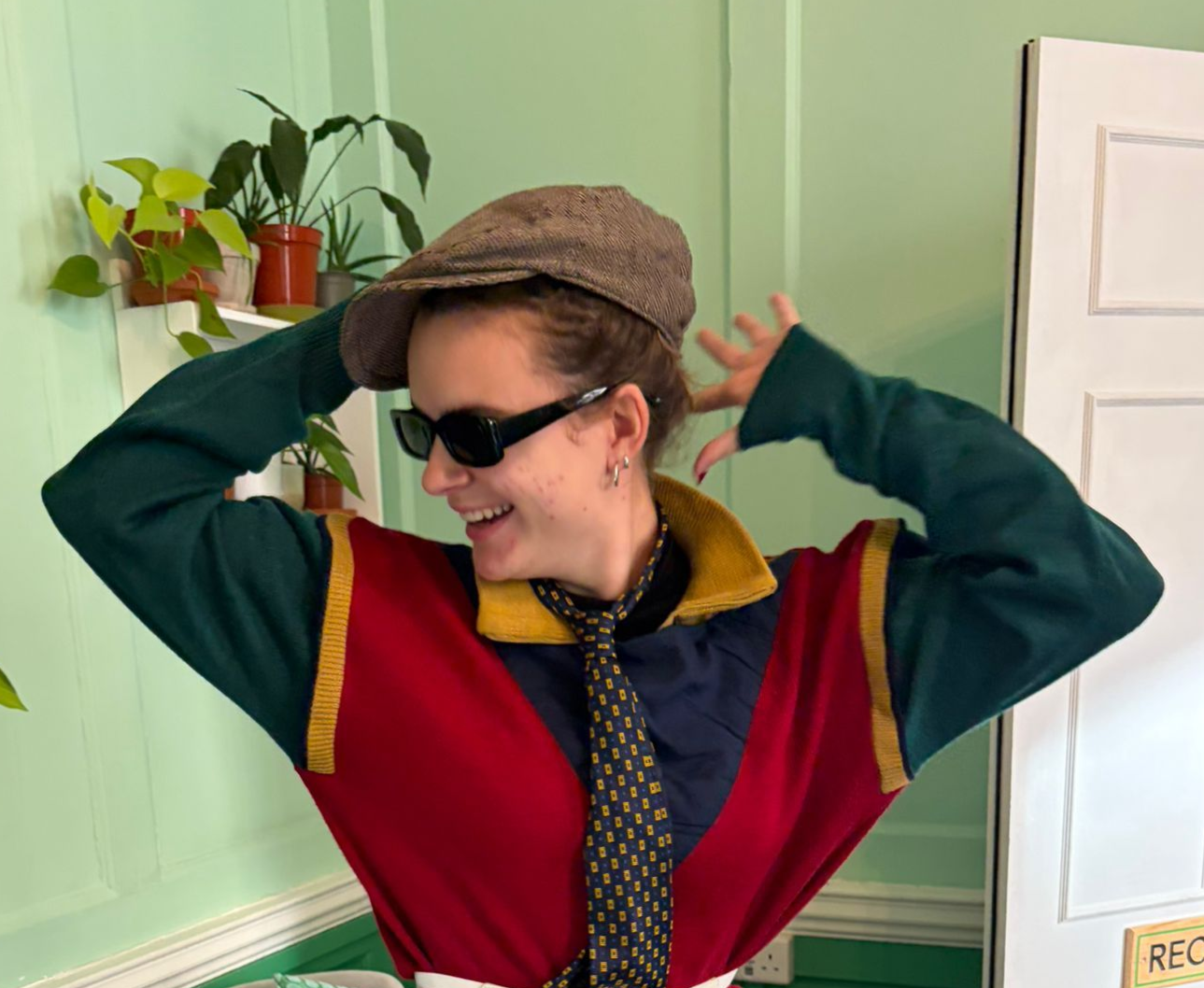
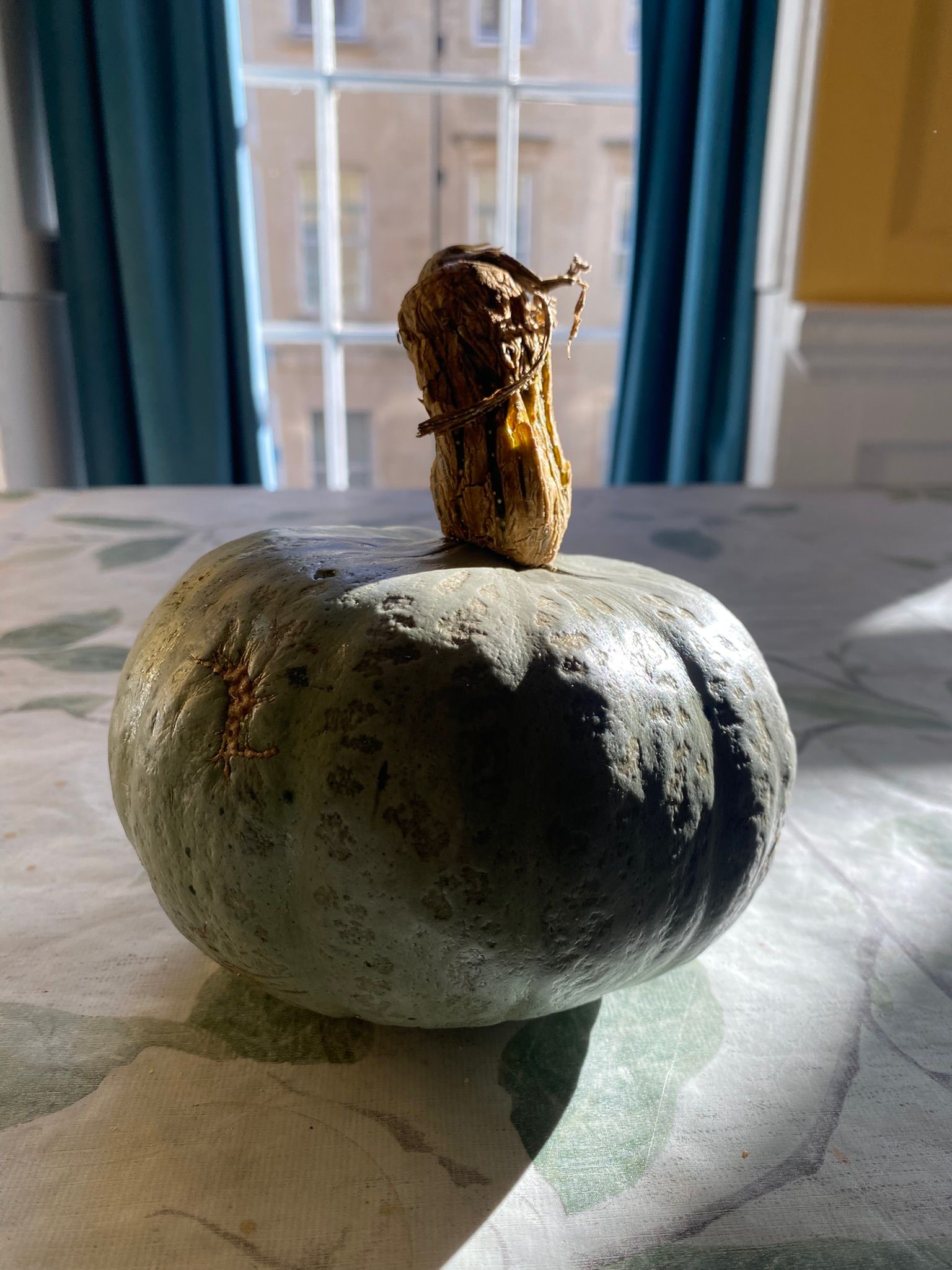
They even glow in the dark, Alba says proudly, flashing nails freshly painted with ghosts and spider's webs. Sun streams into the common room, illuminating the pumpkin that Jayne will cut up for soup later this week, as we discuss ideas: we'll decorate the building, dress up, have a party. With Olivia's beautiful poster, our ideas soon turn into a spooky season festival.
My parents rejected Halloween as a commercial import, preferring the British occasion of Bonfire Night on 5 November. But in time I came to see that the themes and symbols of death and decoration, fire and feasting, were common to them both. As an adult, travel allowed me to experience different attitudes to death from my own cultural norms. Mexico's Day of the Dead - a famous festival incorporating prehispanic and Catholic worldviews - opened my eyes to a celebratory and colourful take on death and dying. India's polytheistic traditions and Buddhist roots revealed a more cyclical and integrated way of considering death. While in South Sudan, the normalisation of death as part of most people's daily lives left deep scars.
It turns out that Day of the Dead, All Souls, Halloween, Samhain (from old Irish, meaning summer's end) and Bonfire Night all share the same roots. In the Northern Hemisphere, we take a lead from the waning of the light and the decaying organic world around us to mark death and dying in late October and early November. The symbolic qualities of the ebbing year guide us to shape our cultural practices in tune with the changing seasons.
If you could live forever, asks Nick as he stirs his sauce, would you? Paulo pauses, leaving an onion mid-slice to contemplate. No, he says, I would live to 200. By 200, all your friends would be dead, I interject, 100 would be enough for me.
All of us will die. If we are fortunate, this will be after having lived and aged well, visited amazing place and met wonderful people. But in Western culture, death is considered something to avoid, deny, and postpone for as long as possible. Hostels that bar older guests participate in this denial: by not having to share space with older people, young travellers get to pretend that they will not themselves one day be old, too.
We'd love for everyone to have a great time here in Bath, but life doesn't always happen that way, and you might find yourself sharing a room with someone who is grieving. Being in a hostel can make it harder to grieve, especially if you feel like being alone. But it can also help to connect with others who've had similar experiences. Religious faith can make death easier to accept, offering the promise of another chapter. I don't share this perspective, but I do see those who have died as living on through the memories we hold, the influences we take on, and the stories we tell of them.
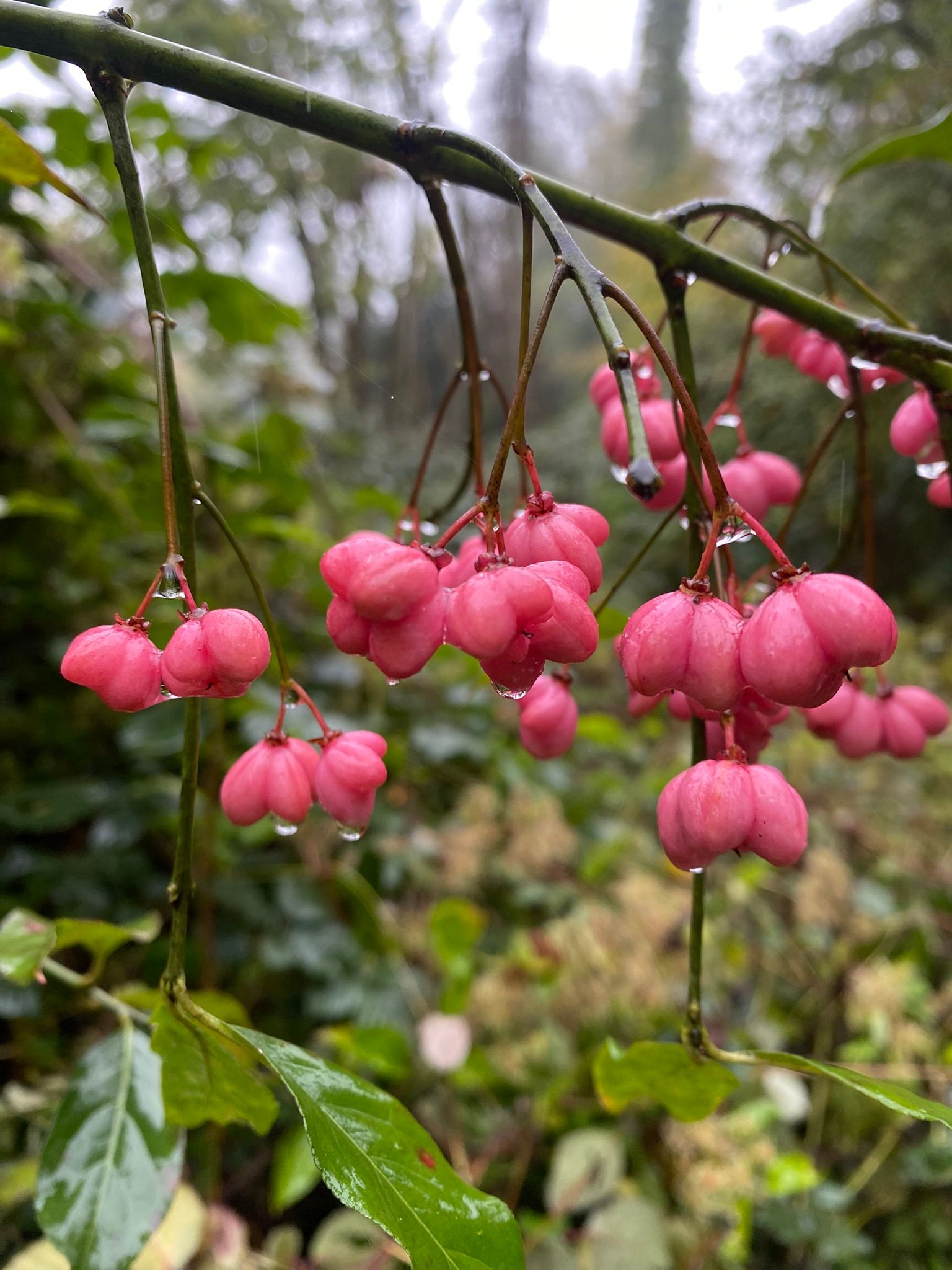
As well as parties and feasting, this season we're holding a series of walks to visit different Bath graveyards as we mark life and death through art and reflection. Walking the hills of Bath, I sometimes repeat a path again and again, observing what is growing over a period of seasonal change - and what is dying. Hawthorne and chestnut grow and die back. There is no such thing as forever, for blackberry bushes, grand oak trees, or any one of us. If we can accept this, we create space to be more immersed in the lives we have right now, these special places we find ourselves in, today, with the people who are right here with us. Death will come; be here, together, now.