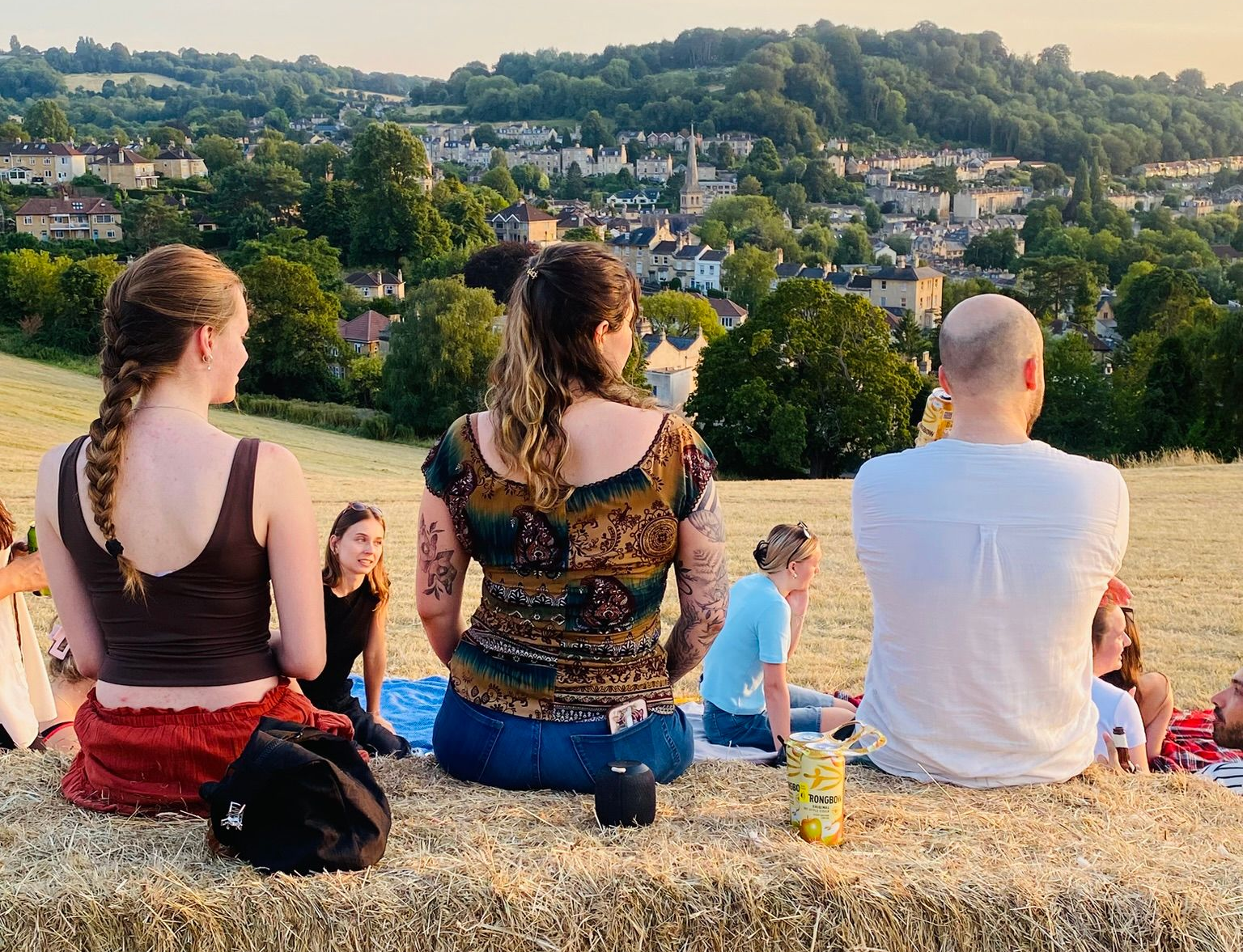
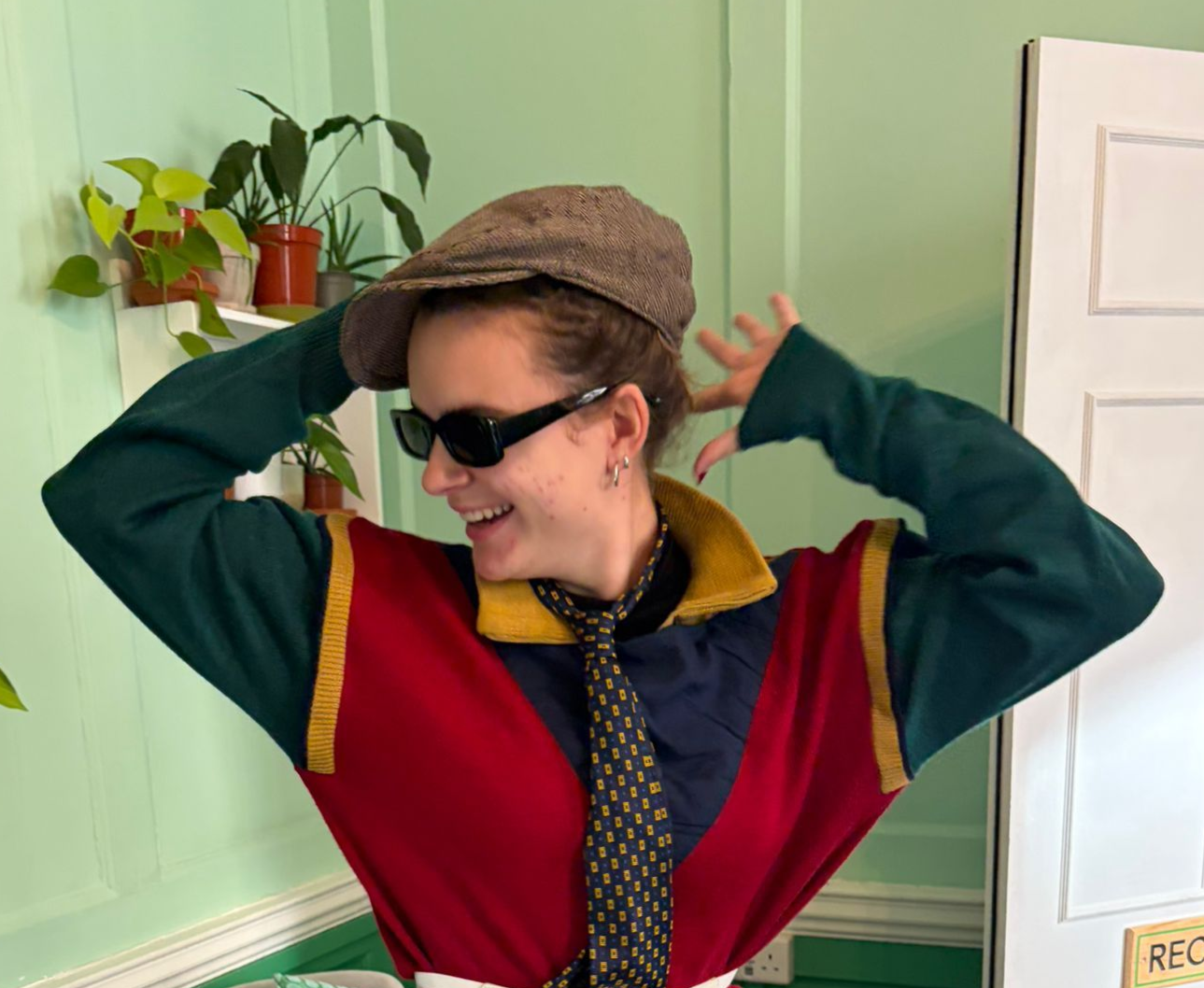
Family Business
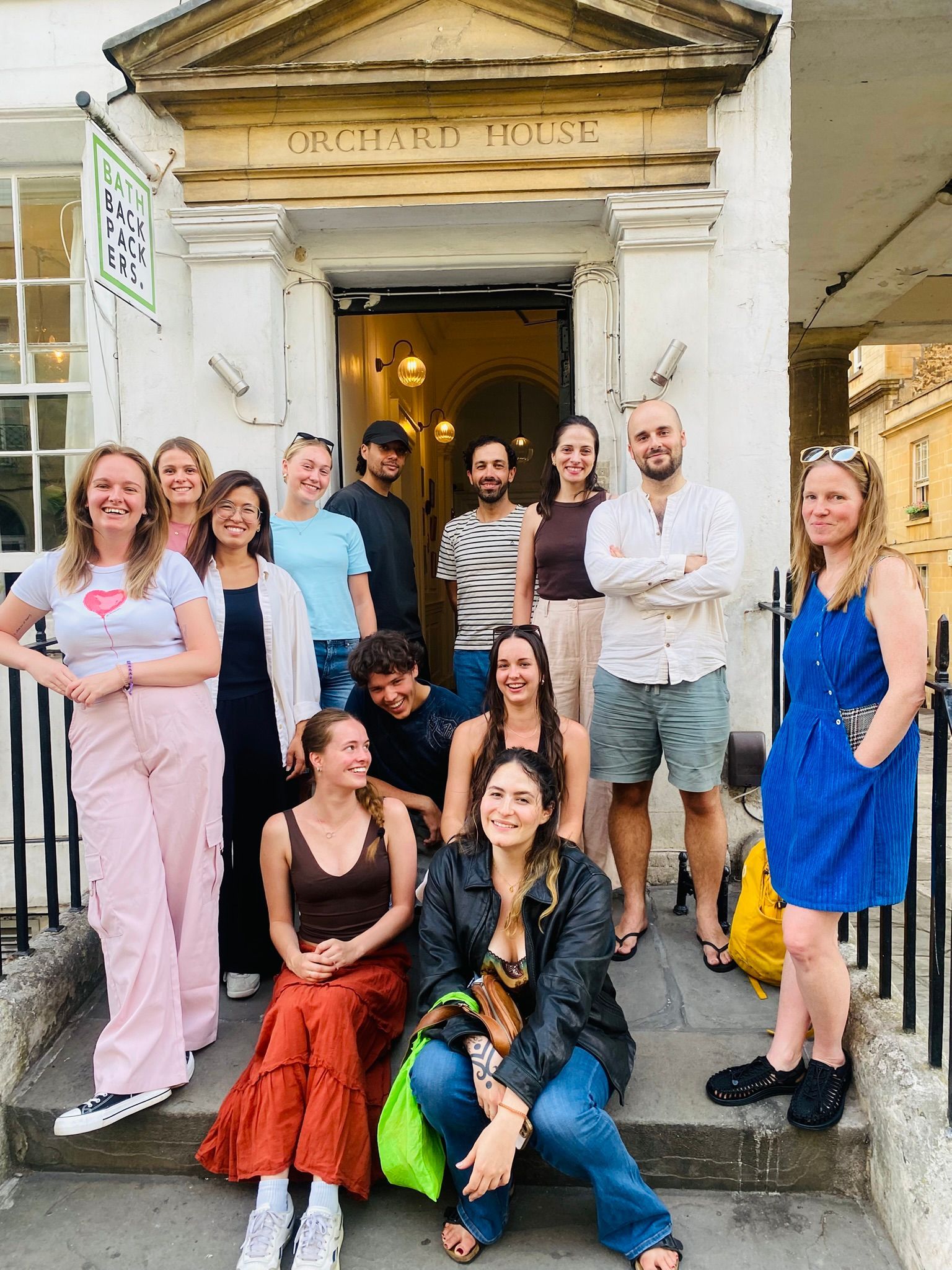
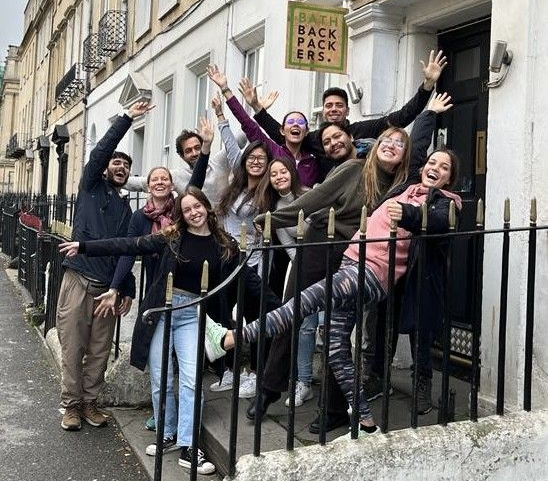
Bye Fam, calls Erin as she heads out. Maybe not meant as a shorthand, but still, Erin's call gets me thinking. Hanging out in reception later I put the question: can you say hostel relationships are family? Yes, says Tilly immediately. But more like cousins and uncles than mums and brothers, says Iris, and Jayne nods.
I don't agree. So many businesses encourage employees to identify as family in order to create feelings of obligation and commitment beyond what is reasonable, and I don't want to fall into that ugly trap. But that isn't happening, insists Tilly. Still, I grew up understanding family as fixed and given - surely we can't see our hostel companions as equivalent?
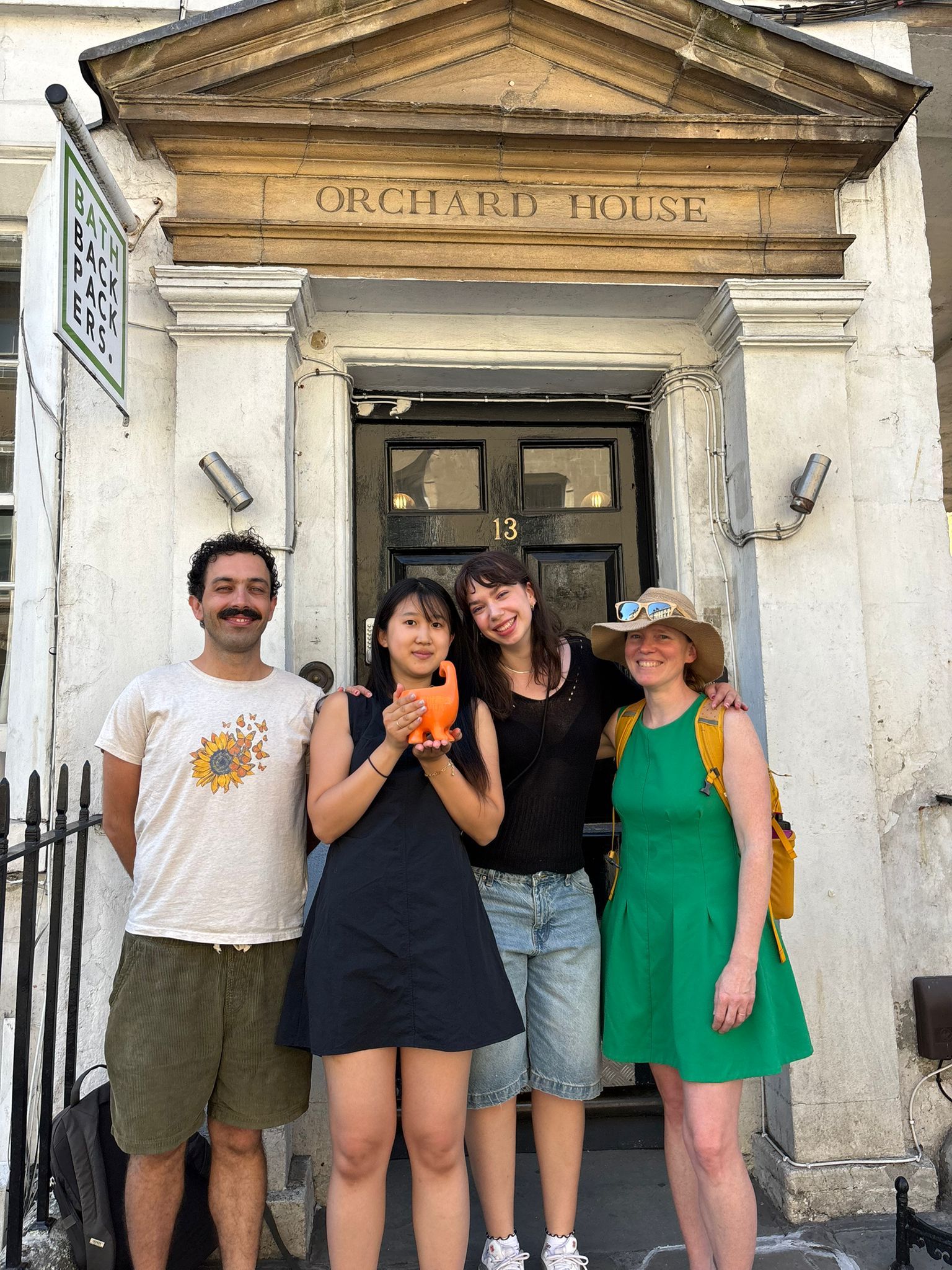
All the same, Aris and I do sometimes have a quasi-parental role helping young visitors who are away from home for the first time. This can be more pronounced for me than Aris, especially if I'm the same age as someone's mum. We jokingly refer to 'the kids' but when we extend the joke to Mari, who's even younger than Aris, the construct sounds increasingly silly. Mari screws her face when we tease her that she's going to visit 'her children' on a trip to Europe, batting away the clearly ridiculous idea that when a former volunteer has a baby, then she'll be a grandmother. Can't we just call it friendship, she pleads.
It's true that friendship doesn't get the credit it deserves. As Aris points out, our society grants legal rights to family bonds in ways that elevate family as superior to friendship. Yet friendship is in some sense superior. It is by definition a chosen - and beautiful - relationship. But it's quite common to hear people mention their 'hostel family', and many hostels play to this in communicating their identity. People here do indeed look after each other - even the grumpy uncle-figure or the irritating younger sibling-type - in ways that are not really friendship. The routines we share, the habits we appreciate or sometimes tolerate, really can be like familial connections.
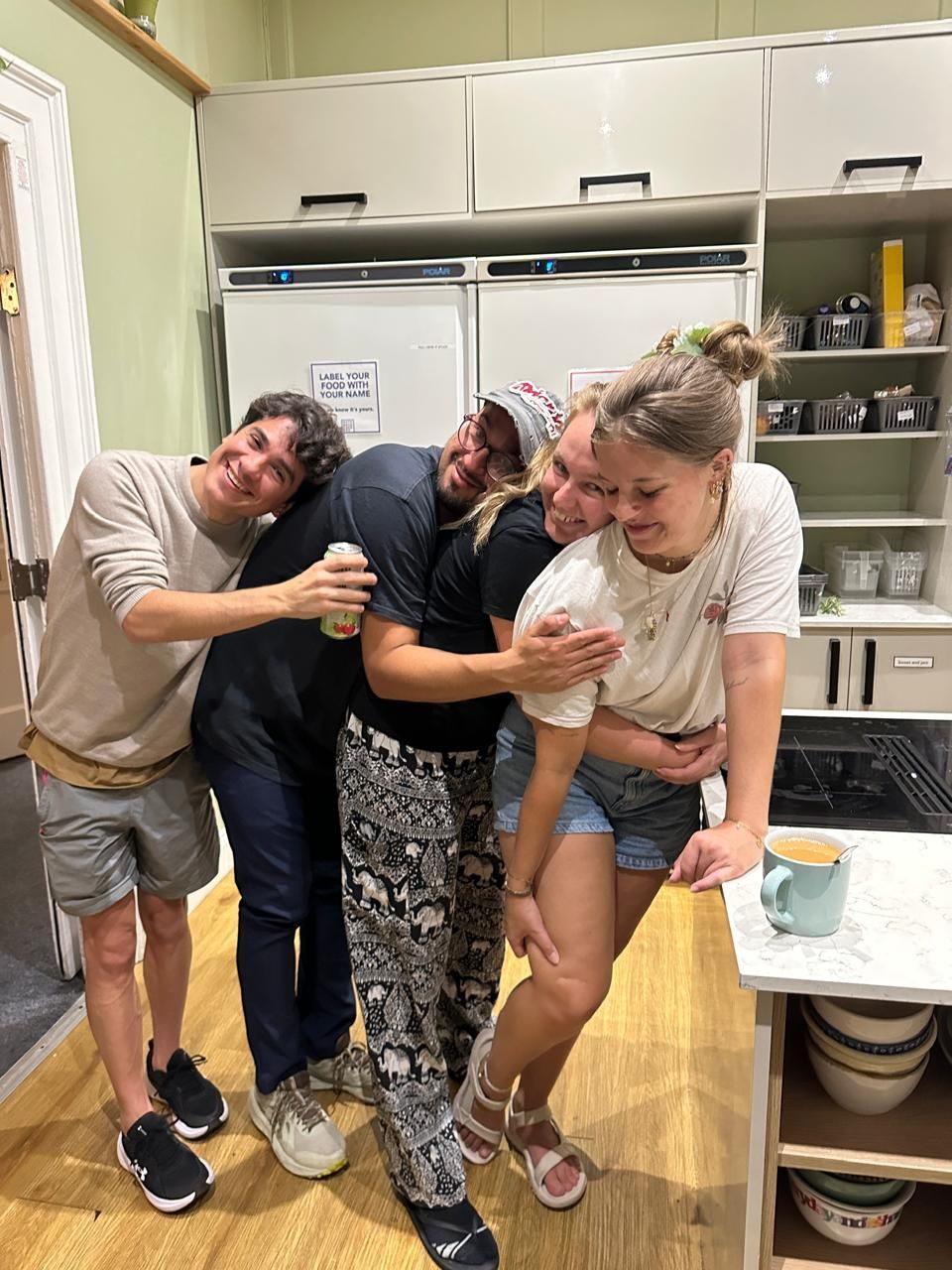
Heading to Bristol with my brother Frank for a gathering with our aunts and uncles, we share updates about Carolyn, Jonathan, Fiona and Susan: aunts and uncles who are the partners of our parents' siblings, and with whom Frank and I share familial relations just as close as with our blood-related elders. I tell him of recent conversations about family life with hostel guests from Central Asia, South America, and India. Only in modern Western society do we typically elevate the nuclear family as the model unit. In other places and other times, wider families and multiple generations might well live together in a less atomised fashion. Even the modern idealised model is fraying: young people return home in their 20s; ageing parents often cared for close by.
We discuss how ideas and practices about family have evolved so much since our childhood. Step families are normalised, same-sex parenting and other alternative models are more socially acceptable (even while having to fight for their existence), along with surrogacy and egg-freezing. The potential landscape of the family has changed dramatically, and with that the idea of the chosen family has expanded beyond the LGBTQ community. The notion that family can involve intentional relationships of care with people who are neither blood nor legal relatives is now widely accepted. Maybe, I say, it's time to update my own understanding of what family means.
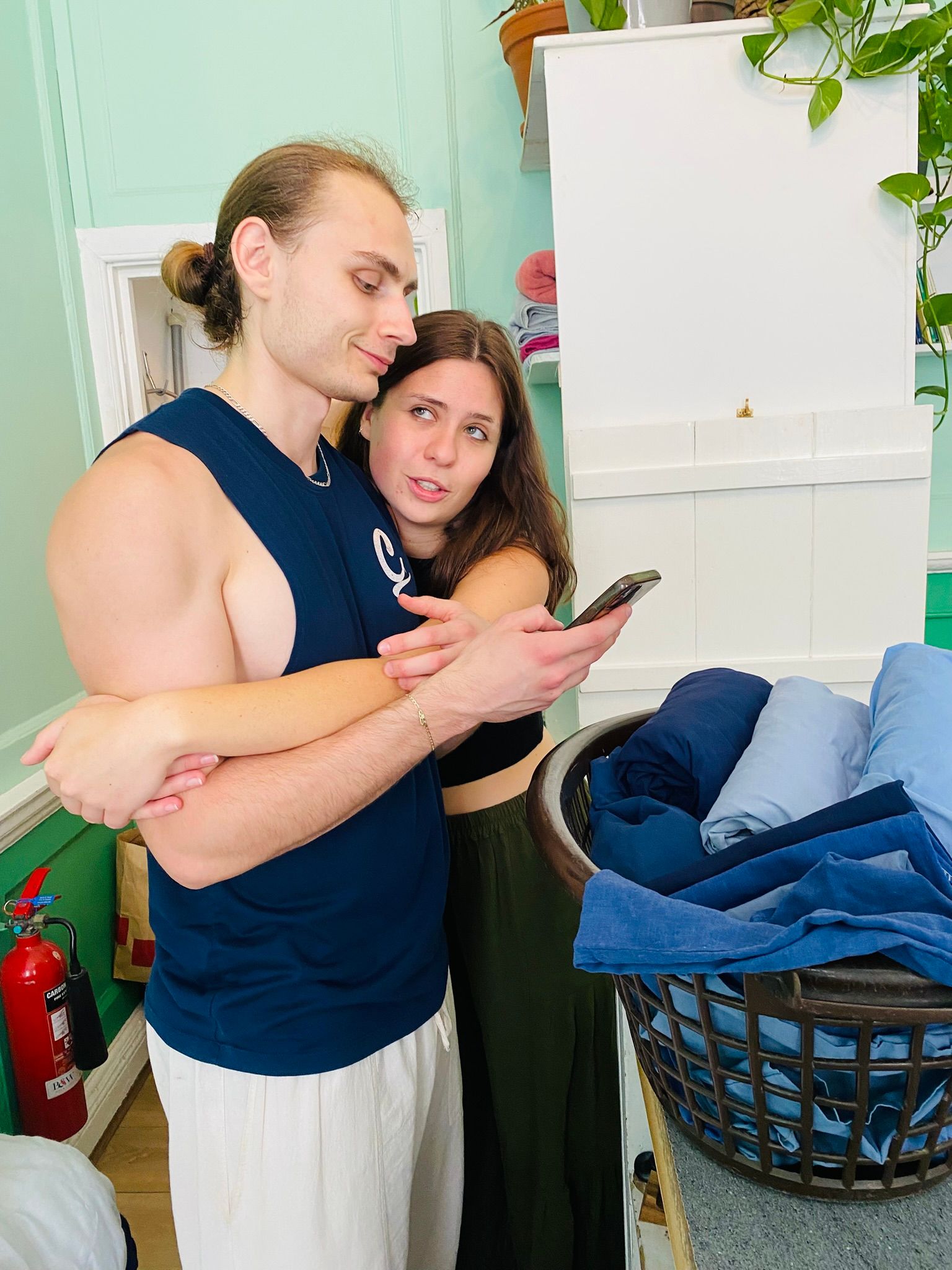
Back at Reception I admit to Tilly, maybe you and Iris are right about this hostel family thing. But then how is it to introduce your mum here? How do you feel when you mix your hostel family and your birth family? Ah I feel great, replies Tilly in her uncomplicated way. I get to show my mum that all these people I've been telling her about over the phone are real.
Next day, flicking through a pile of handwritten notes from former visitors, I come across one from Jayne's mum Tessa: "Thank you for being Jayne's new family". Maybe, I think, it doesn't matter what term we use. What matters is how we choose to spend time together, who we share fun and ideas with, who we count on when the going is tough.
Bonds formed in hostels can exhibit connection and care. What matters are the feelings of love and trust we offer one another. It doesn't matter whether we call it friendship or family.